Free and Salve States
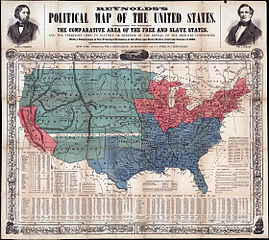
The eleven states of the Confederacy listed in the order of their secession from the Union:
- 1. South Carolina – December 20, 1860
- 2. Mississippi – January 9, 1861
- 3. Florida – January 10, 1861
- 4. Alabama – January 11, 1861
- 5. Georgia– January 19, 1861
- 6. Louisiana – January 26, 1861
- 7. Texas – February 1, 1861
- 8. Virginia – April 17, 1861
- 9. Arkansas – May 6, 1861
- 10. North Carolina – May 20, 1861
- 11. Tennessee – June 8, 1861
“I can anticipate no greater calamity for the country than a dissolution of the Union. It would be an accumulation of all the evils we complain of, and I am willing to sacrifice anything but honor for its preservation.”
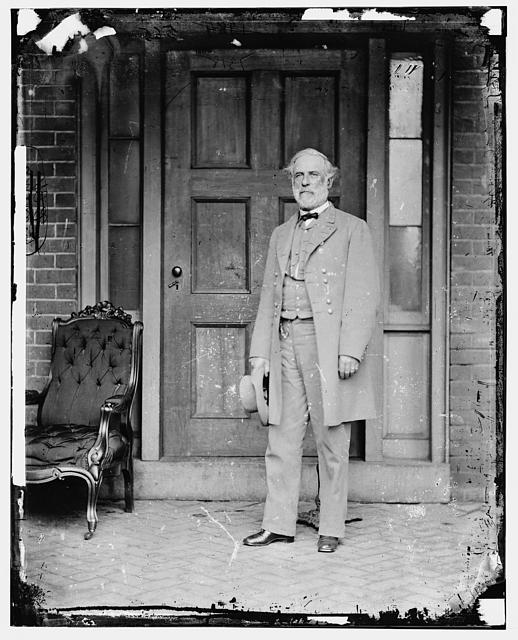
… Robert E. Lee, from a letter of January 23, 1861. Despite these words from Robert E. Lee, his military leadership in the Civil War was not performed in the interest of preserving the Union.
“If the Union is dissolved, and the government disrupted, I shall return to my native state and share the miseries of my people, and save in defense will draw my sword no more.”
… Robert E. Lee, from a letter of January 23, 1861. Lee chose to draw his sword, he would lead the Army of Northern Virginia in the Civil War. Lee would take the Army of Northern Virginia on two offensive invasions into the North, first at Antietam in 1862, and then Gettysburg in 1863.
The states of the Confederacy listed alphabetically with their dates of secession:
- 1. Alabama – January 11, 1861
- 2. Arkansas – May 6, 1861
- 3. Florida – January 10, 1861
- 4. Georgia – January 19, 1861
- 5. Louisiana – January 26, 1861
- 6. Mississippi – January 9, 1861
- 7. North Carolina – May 20, 1861
- 8. South Carolina – December 20, 1860
- 9. Tennessee – June 8, 1861
- 10. Texas – February 1, 1861
- 11. Virginia – April 17, 1861
“I, Robert E. Lee of Lexington, Virginia do solemn, in the presence of Almighty God, that I will henceforth faithfully support, protect and defend the Constitution of the United States, the Union of the States thereafter, and that I will, in like manner, abide by and faithful support all laws and proclamations which have been made during the existing rebellion with reference to the emancipation of slaves, so help me God.”
… Former Confederate General Robert E. Lee’s amnesty oath to the United States, October 2, 1865.
 My book 501 Civil War Quotes and Notes features quotes made before, during, and after the Civil War. Each quote has an informative note to explain the circumstances and background of the quote. Learn Civil War history from the spoken words and writings of the military commanders, political leaders, the Billy Yanks and Johnny Rebs who fought in the battles, the abolitionists who strove for the freedom of the slaves, the descriptions of battles, and the citizens who suffered at home. Their voices tell us the who, what, where, when, and why of the Civil War. Available as a Kindle device e-book or as a paperback. Get 501 Civil War Quotes and Notes now!