Richmond, Virginia was the Capital of the Confederacy
Richmond, Virginia was a central and strategic location for the Confederacy during the Civil War.
- From February 4, 1861, to May 1861, Montgomery, Alabama was the first capital of the Confederate States of America. In Montgomery delegates established the Confederacy, adopted its constitution, and inaugurated Jefferson Davis on the state capitol steps. The capital then moved to Richmond, Virginia, in May 1861.
- Richmond, Virginia became the permanent capital of the Confederate States of America in May 1861, shortly after Virginia seceded from the Union.
- Richmond, Virginia was the seat of the Confederate government. President Jefferson Davis, the Confederate Congress, and various other governmental departments were all located in Richmond.
- Richmond, Virginia was one of the South’s most industrialized cities during the Civil War. It was home to major manufacturing enterprises that included iron works and munitions factories.
- The Tredegar Iron Works in Richmond, Virginia was the largest ironworks in the Confederacy. It supplied artillery, railroad parts, and armor plating for warships.
- During the Civil War, Richmond was a major transportation center. It was a critical railroad hub that connected key southern and western rail lines, which were vital for moving troops and supplies.
- Richmond is only about 100 miles from the Union capital, Washington, D.C. During the Civil War, the capital of the Confederacy was a major strategic objective for the Union Army.
- In the Civil War, Richmond was heavily fortified defensively with earthworks, forts, and batteries to protect it from Union attacks.
- Richmond had plentiful military hospitals, including Chimborazo Hospital which was one of the largest of its kind in the world at the time.
- Libby Prison in Richmond held captured Union officers as Prisoners Of War under very harsh and severe conditions. Libby Prison became symbolic of Southern prison cruelty in Northern propaganda.
- As the Civil War progressed, Richmond’s civilians suffered the hardships of food shortages, inflation, overcrowding, and deteriorating living conditions.
- Desperate Richmond women staged a Bread Riot and protested food scarcity and high prices in April 1863. The angry women looted stores before being stopped by authorities.
- Before and during the Civil War, Richmond, was one of the largest slave-trading centers in the South.
- Thousands of slaves were forced to work in Richmond’s factories, defenses, and infrastructure to support the Confederate war effort.
- Despite wartime struggles, theaters, newspapers, and churches remained active in Richmond during the Civil War. As close as possible, a normal cultural life was maintained for some residents.
- In April 1865, as the Confederacy was collapsing, when Confederate forces evacuated Richmond they set fire to warehouses and supplies, causing a devastating fire that destroyed much of the downtown area.
- Union troops entered Richmond on April 3, 1865. The Civil War wasn’t over quite yet, but the fall of Richmond marked a symbolic end to the Confederacy.
- President Abraham Lincoln visited Richmond on April 4, 1865. Lincoln walked through the burned city and received a warm welcome from the newly freed slaves.
- After its fall, Richmond became a focal point for Reconstruction. Federal troops occupied the city and worked to rebuild it both physically and politically.
- Richmond had the offices of the Freedmen’s Bureau, which provided aid and education to the newly freed slaves.
- After the Civil War, Richmond became a center for the Lost Cause movement and many Confederate monuments were erected. Today, many of these monuments have been removed.
- Today Richmond, Virginia remains a strong symbol of the Civil War as both the heart of the Confederacy and a city transformed by conflict and emancipation.
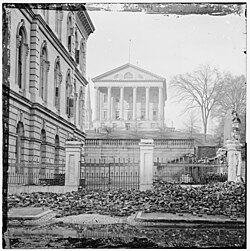
Richmond, Virginia Capitol Building in April 1865.
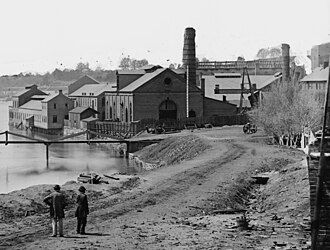
Tredegar Iron Works in Richmond, Virginia.
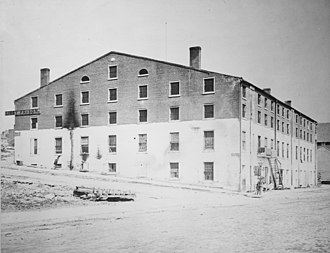
Libby Prison in Richmond, Virginia.
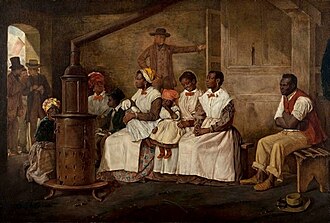
Slave Trade in Richmond, Virginia.

(Visited 141 times, 1 visits today)